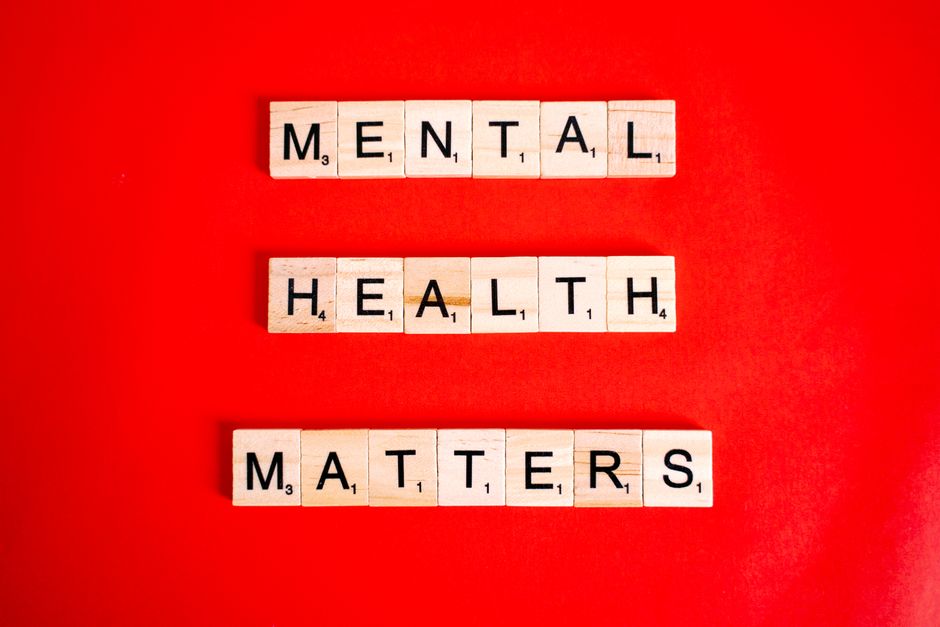
Mental wellness education is becoming an essential component of modern health curricula, as understanding mental health is crucial for everyone's overall well-being.
Understanding Mental Wellness
The concept of mental wellness goes beyond merely the absence of mental illness. It encompasses recognizing emotions, managing stress, and developing healthy thought patterns, enabling individuals to handle life's challenges successfully.
Promoting Emotional Intelligence
One of the primary benefits of mental wellness education is the enhancement of emotional intelligence. This helps individuals recognize and manage their emotions effectively, fostering empathy and interpersonal skills.
Building Resilience
Education in mental wellness equips individuals with the tools to build resilience. This empowers them to bounce back from setbacks, adapt to change, and continue developing positively through life’s challenges.
Improving Academic and Professional Success
Mental wellness education also plays a crucial role in improving focus and cognitive function, which can lead to better performance both academically and professionally. Understanding mental health can drive motivation and innovation.
Fostering a Supportive Community
Finally, raising awareness through mental wellness education encourages a more supportive community. It reduces stigma around mental health issues and promotes inclusivity by offering resources and assistance to those in need.
In conclusion, mental wellness education is a vital investment in our future, as it not only enhances individual quality of life but also cultivates more resilient, empathetic, and successful communities.